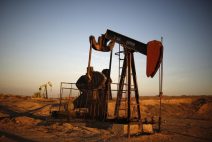
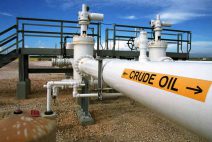
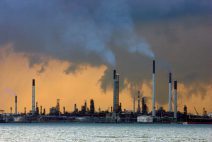
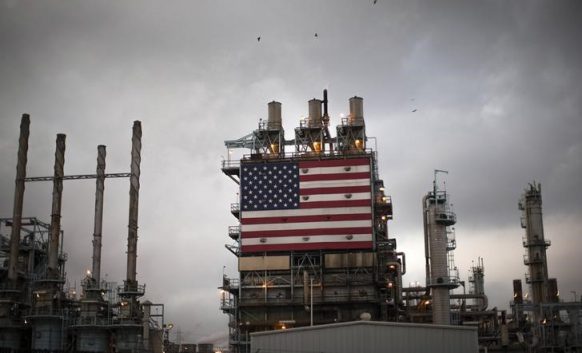
 El Departamento de Energía de EEUU autorizó un intercambio de emergencia de hasta 400.000 barriles de crudo procedentes de la Reserva Estratégica de Petróleo para hacer frente a una interrupción del suministro en Luisiana
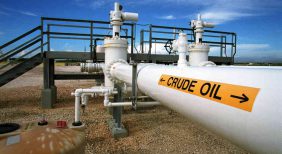 Mientras que las reservas de gasolina cayeron en 2,95 millones de barriles, hasta 205,3 millones de barriles. Esta caída fue mayor que la disminución prevista de 443.000 barriles

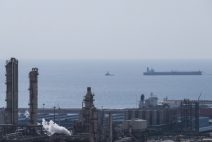
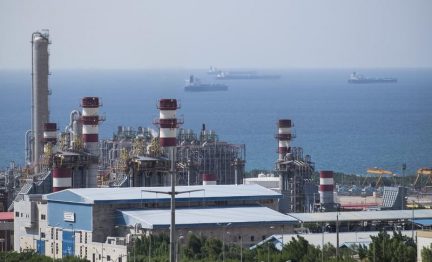 Irán presentó a mediados de septiembre una nueva propuesta para reabrir Ormuz, que EE.UU. también reconoció. Sin embargo, las negociaciones se estancaron
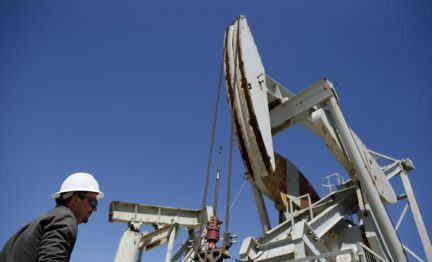 La escasez de oferta de diésel podría prolongarse hasta bien entrado el próximo año, ya que las importantes reducciones de existencias se han sumado a las restricciones de producción de cara a la temporada de máxima demanda
 La Organización de Países Exportadores de Petróleo aumentó su proyección de crecimiento de la demanda mundial de petróleo para 2027, señalando la necesidad de reponer las reservas que se redujeron durante la guerra de Irán
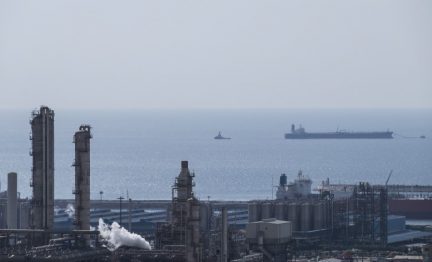 La Administración de Trump anunció nuevas sanciones contra Irán, dirigidas a individuos, redes y 17 buques involucrados en el transporte de petróleo crudo, productos petrolíferos y petroquímicos
 La compañía prevé una producción de gas integrado de entre 740.000 y 780.000 barriles de petróleo equivalente por día (bepd) en el trimestre, frente a su previsión anterior de entre 570.000 y 630.000 bepd
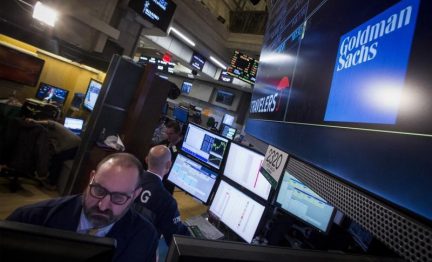 El petróleo podría subir hasta USD 120 por barril si aumentan los ataques contra el transporte marítimo en Medio Oriente, según Goldman Sachs Group Inc., que recomendó apostar por el gas natural y el diésel para aprovechar el alza de los precios
 El Banco de Exportación e Importación de EEUU tiene previsto financiar proyectos relacionados con minerales críticos y energía en Argentina por un valor de hasta 7.000 millones de dólares
 El banco elevó su previsión para el índice de referencia mundial del petróleo para los últimos seis meses del año hasta 95 dólares por barril, frente a los 83 dólares por barril anteriores