













OPEC oil output rises in August as Iran hits 2018 high
The Organization of the Petroleum Exporting Countries has pumped 27.56 million barrels per day (bpd) this month, up 220,000 bpd from July
The Organization of the Petroleum Exporting Countries has pumped 27.56 million barrels per day (bpd) this month, up 220,000 bpd from July
Barclays raised its Brent price forecast for 2024 by $8 per barrel to $97 a barrel as it expects market balances to tighten further next year

Goldman Sachs sees less of a downside risk to oil prices from higher-than-expected inventories, noting that lower OECD commercial stocks could add US$2 to its end-2023 Brent outlook of US$86 per barrel
Saudi Arabia’s crude oil exports dropped in June to the lowest level in 21 months, the latest data by the Joint Organizations Data Initiative (JODI) showed
An OPEC+ ministerial panel, called the Joint Ministerial Monitoring Committee, decided to maintain the group’s current oil output policy during a meeting
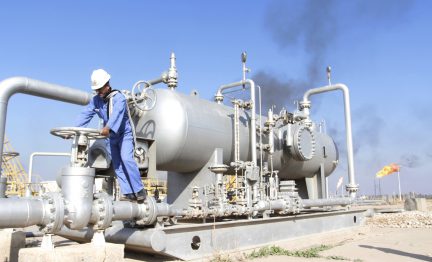
Saudi Arabia will extend a voluntary oil output cut of one million barrels per day for another month to include September, it said, adding it could be extended beyond that or deepened
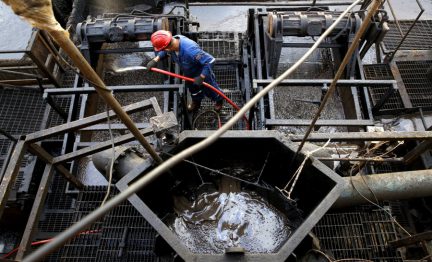
OPEC+ is unlikely to tweak its current oil output policy when a panel meets on Friday, as tighter supplies and resilient demand drive an oil price rally

A survey found that OPEC pumped 27.34 million barrels per day (bpd) this month, marking a decline of 840,000 bpd from June. This is the lowest output level since September 2021
Bolstered by supply cuts from the OPEC+ alliance announced earlier this month, both oil benchmarks are on track for a 3.6% weekly increase
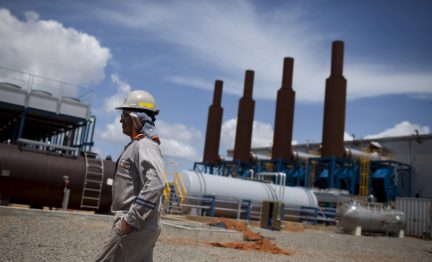
Equinor posted a 57% year-on-year decline in second quarter core profit, in line with expectations as oil and gas prices fell, while maintaining its dividend and share buyback levels, sending its shares slightly lower