



Iran declares Strait of Hormuz ‘completely open’ for remainder of truce
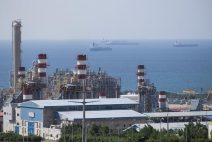
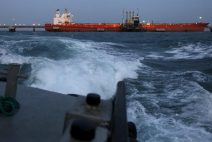
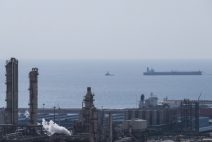
Iran said the Strait of Hormuz will remain “completely open” until the end of the ceasefire with the United States next Wednesday, following the start of a truce in Lebanon
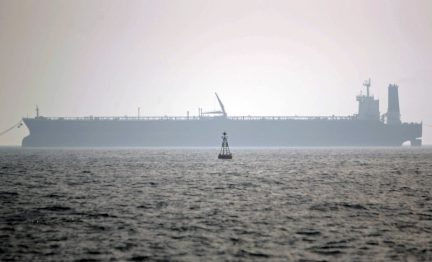
Iran said the Strait of Hormuz will remain “completely open” until the end of the ceasefire with the United States next Wednesday, following the start of a truce in Lebanon
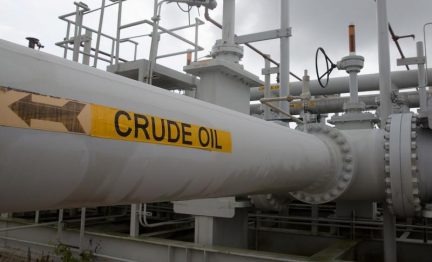
In its monthly oil market report, the IEA said production losses from the conflict that erupted on February 28 totaled more than 360 million barrels in March, a figure expected to rise to 440 million barrels in April
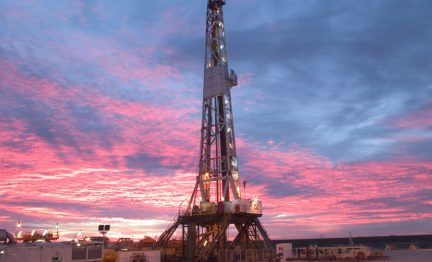
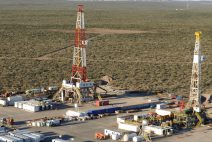
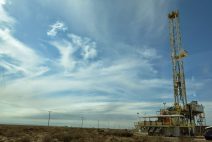
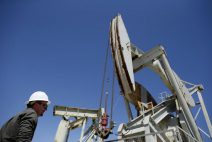
Argentina could reach oil production of 1 million barrels per day (bpd) in 2026, up from the current level of just over 850,000 bpd, driven by increased activity in the Vaca Muerta shale formation, Energy Secretary Daniel González said
Brent crude is set to average more than $100 a barrel through 2026 if the Strait of Hormuz remains closed for another month, according to Goldman Sachs
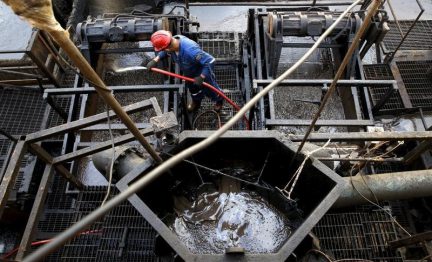
The OPEC+ alliance agreed to increase oil production by 206,000 barrels per day, a largely symbolic move as the increase cannot be implemented while the war in Iran and the blockade of the Strait of Hormuz persist
OPEC oil production plunged in March to its lowest level since the height of the COVID-19 pandemic in June 2020, a Reuters survey showed, as the U.S.-Israeli war against Iran effectively shut the Strait of Hormuz and forced export cuts
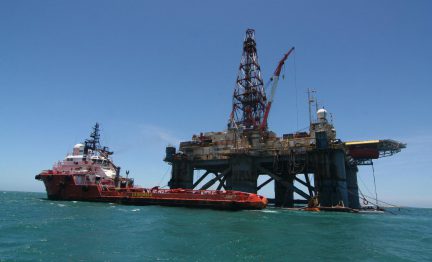
The United States Coast Guard will allow a Russian tanker to deliver more than 700,000 barrels of crude oil to Cuba, easing months of restrictions imposed by Washington on fuel shipments to the island
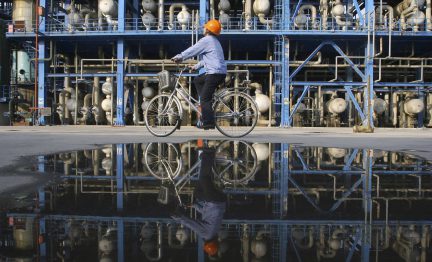
In recent years, refined fuel prices have been adjusted in line with that system, making this decision an exception in response to volatility driven by the war in the Middle East
International Energy Agency (IEA) Executive Director Fatih Birol warned that the current situation is “very serious” and exceeds the energy crises of the 1970s, amid the blockade of the Strait of Hormuz and attacks on energy infrastructure in the Middle East
Spain has approved the release of up to 11.5 million barrels from its oil reserves over a 90-day period to counter supply shortages caused by the partial closure of the Strait of Hormuz