







China imposes temporary price controls amid oil price surge
In recent years, refined fuel prices have been adjusted in line with that system, making this decision an exception in response to volatility driven by the war in the Middle East
In recent years, refined fuel prices have been adjusted in line with that system, making this decision an exception in response to volatility driven by the war in the Middle East
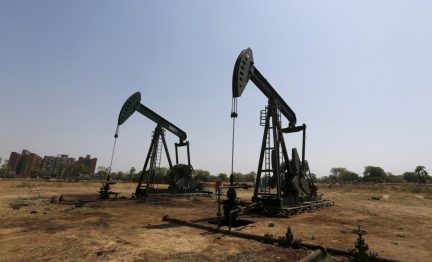
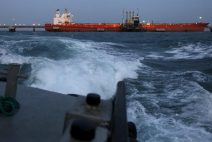
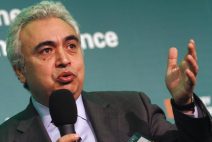
International Energy Agency (IEA) Executive Director Fatih Birol warned that the current situation is “very serious” and exceeds the energy crises of the 1970s, amid the blockade of the Strait of Hormuz and attacks on energy infrastructure in the Middle East
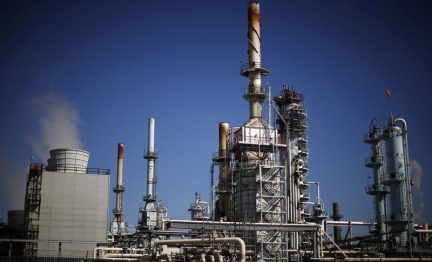
The International Energy Agency (IEA) agreed to release 400 million barrels from its strategic oil reserves, the largest amount to date, as governments seek to contain the surge in energy prices triggered by the war in the Middle East
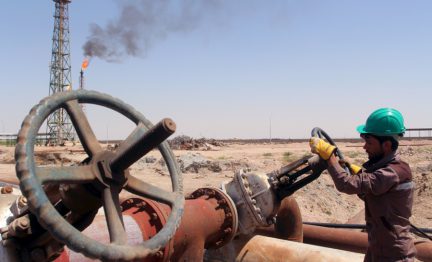
G7 countries signaled their readiness to take “all necessary measures” to stabilize hydrocarbon markets, whose prices have surged due to the war in the Middle East, including the possibility of tapping strategic reserves
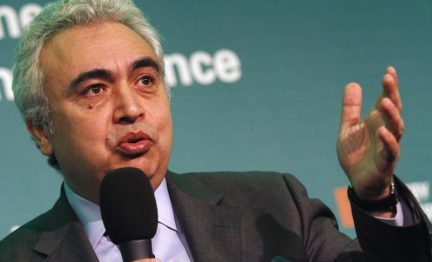
The head of the International Energy Agency (IEA) said there is ample oil on global markets and that current problems stem from a “temporary logistical disruption” caused by the blockade of the Strait of Hormuz
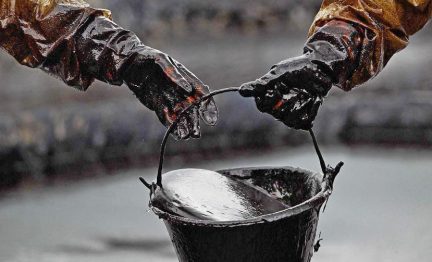
Oil prices could see further gains in 2026 as geopolitical risks continue to fuel volatility, HSBC said, although the bank added that market fundamentals should cap rallies and keep prices anchored in the mid-$60s range
Oil prices are likely to fall this year as a wave of supply creates a surplus in the market, although geopolitical risks linked to Russia, Venezuela and Iran will continue to fuel volatility, Goldman Sachs said
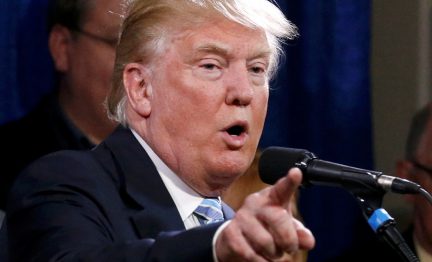
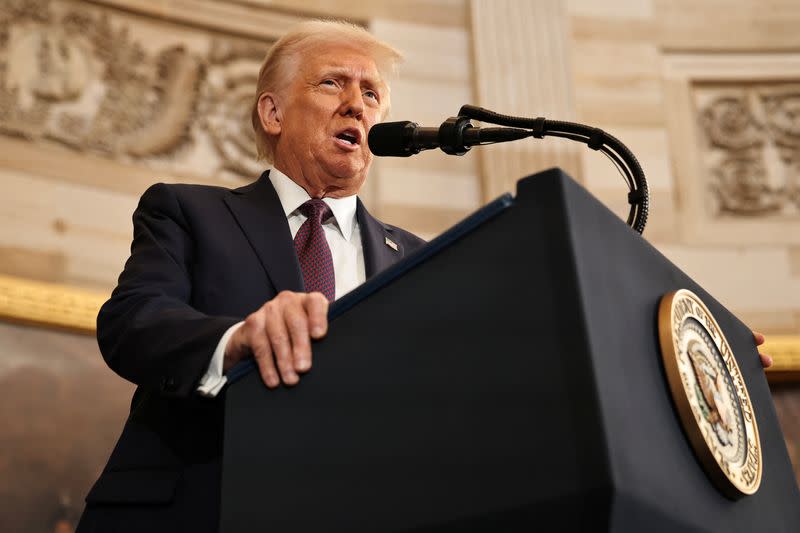
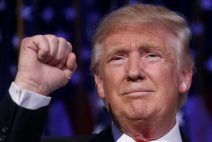
U.S. President Donald Trump renewed his call for European countries to stop buying Russian oil, arguing that Russia will abandon the war in Ukraine if crude prices drop
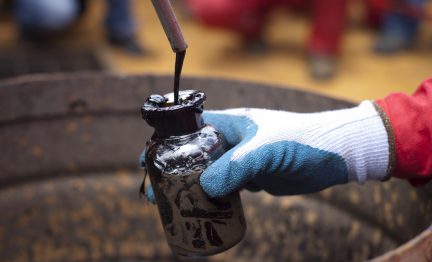
Oil prices fell by about 2% ahead of a weekend meeting of OPEC+ producers that is expected to consider another increase in production targets in October
U.S. President Donald Trump reiterated his call for OPEC to cut oil prices to hurt oil-rich Russia’s finances and help bring an end to the war in Ukraine