








Goldman Sachs warns of renewed upside risks to oil prices
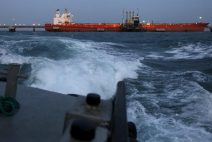
Goldman Sachs strategists say the physical oil market is tightening as renewed attacks on tankers in the Strait of Hormuz reverse an earlier recovery in Persian Gulf exports
OPEC lowered its forecast for world oil demand growth in 2026 to 780,000 barrels per day, a copy of its monthly report showed, marking the third straight downward revision
The U.S. Energy Information Administration raised its global oil production forecast after the reopening of the Strait of Hormuz following a June 18 agreement between the United States and Iran
OPEC+ oil-producing countries will likely agree on a further hike in their output targets from August when they meet on Sunday, adding to supply at a time of falling prices as the Strait of Hormuz gradually reopens
Oil prices appear to have settled into a range of $72 to $75 a barrel, although the market has yet to fully normalize and the conflict in the Middle East continues to create uncertainty, the chief executive officer of Brazil’s state-run oil firm Petrobras
es walk away less than two months ago.
Iraq is the group’s second-largest producer after Saudi Arabia and one of its five founding members. OPEC was formed in the Iraqi capital in 1960
J.P. Morgan reduced its price outlook for Brent crude oil in the second half of 2026, citing weaker commercial inventory withdrawals and softer oil demand than previously anticipated
The US and Iran moved closer to an interim peace agreement meant to reopen the Strait of Hormuz and help end a war that has damaged the global economy and caused chaos in the Middle East
The current forecast reduced the expected oil demand growth this year from 1.17 million barrels per day as previously seen. For 2027, OPEC expects oil demand to rise by 1.73 million bpd,
OPEC crude oil production fell in May to its lowest level in at least 37 years, as the U.S. blockade on Iran and ongoing disruptions in the Persian Gulf continued to constrain output